The Michel Schneider brand
preserves the heritage
of a winemaking legend.
The Michel Schneider brand
preserves the heritage
of a winemaking legend.
Inspired by the idea of producing wines with individual signature, Michel Schneider founded his own winery in 1869.
From the very beginning, he was convinced that only the combination of origin, dedication, and craftsmanship would give his wines the character he envisioned.
His passionate approach has paid off and made Michel Schneider one of the most renowned winemakers of his time.
Even today, the Michel Schneider brand preserves its valuable heritage and continues to offer Germany's wine lovers wines produced using traditional methods.
Inspired by the idea of producing wines with individual signature, Michel Schneider founded his own winery in 1869.
From the very beginning, he was convinced that only the combination of origin, dedication, and craftsmanship would give his wines the character he envisioned.
His passionate approach has paid off and made Michel Schneider one of the most renowned winemakers of his time.
Even today, the Michel Schneider brand preserves its valuable heritage and continues to offer Germany's wine lovers wines produced using traditional methods.
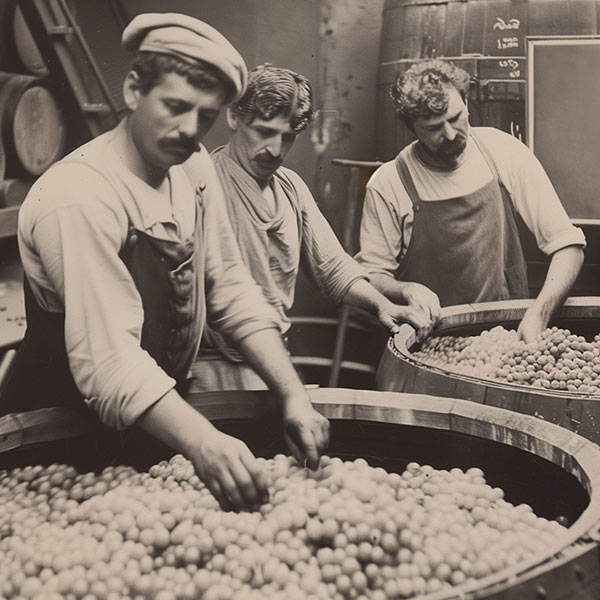
The atmosphere of the winemaking craft of that time has been recreated.
WINEMAKER LEGEND
MICHEL SCHNEIDER
WINEMAKER LEGEND
MICHEL SCHNEIDER
Michel Schneider's style-defining credo:
Michel Schneider's
style-defining credo:
Michel Schneider's style-defining credo:
The Brand is commited to this Credo up to these days.
OUR ORIGIN
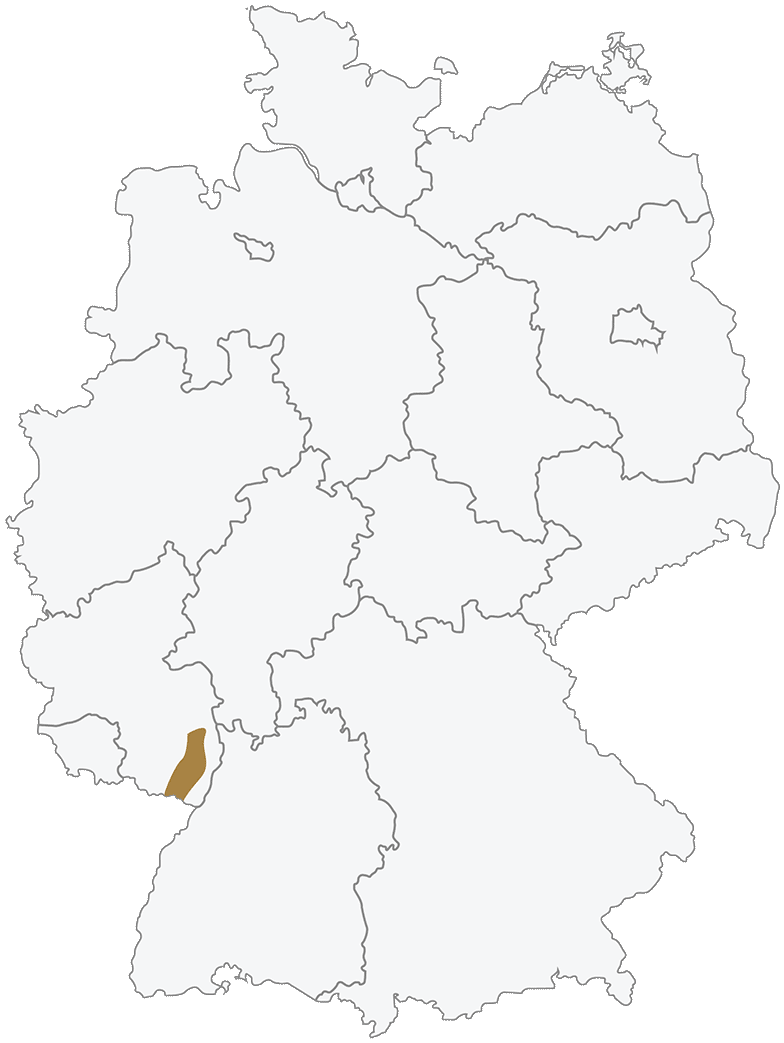
The Palatinate wine-growing region is located in the southwest of the federal state of Rhineland-Palatinate, between the Rhine and the Palatinate Forest. It stretches from Bockenheim in the north to Schweigen-Rechtenbach on the border with Alsace in the south. The vineyards extend from the Rhine Valley up to the slopes of the Haardt.
The Palatinate is Germany's second-largest wine-growing region and the largest Riesling origin in the world!
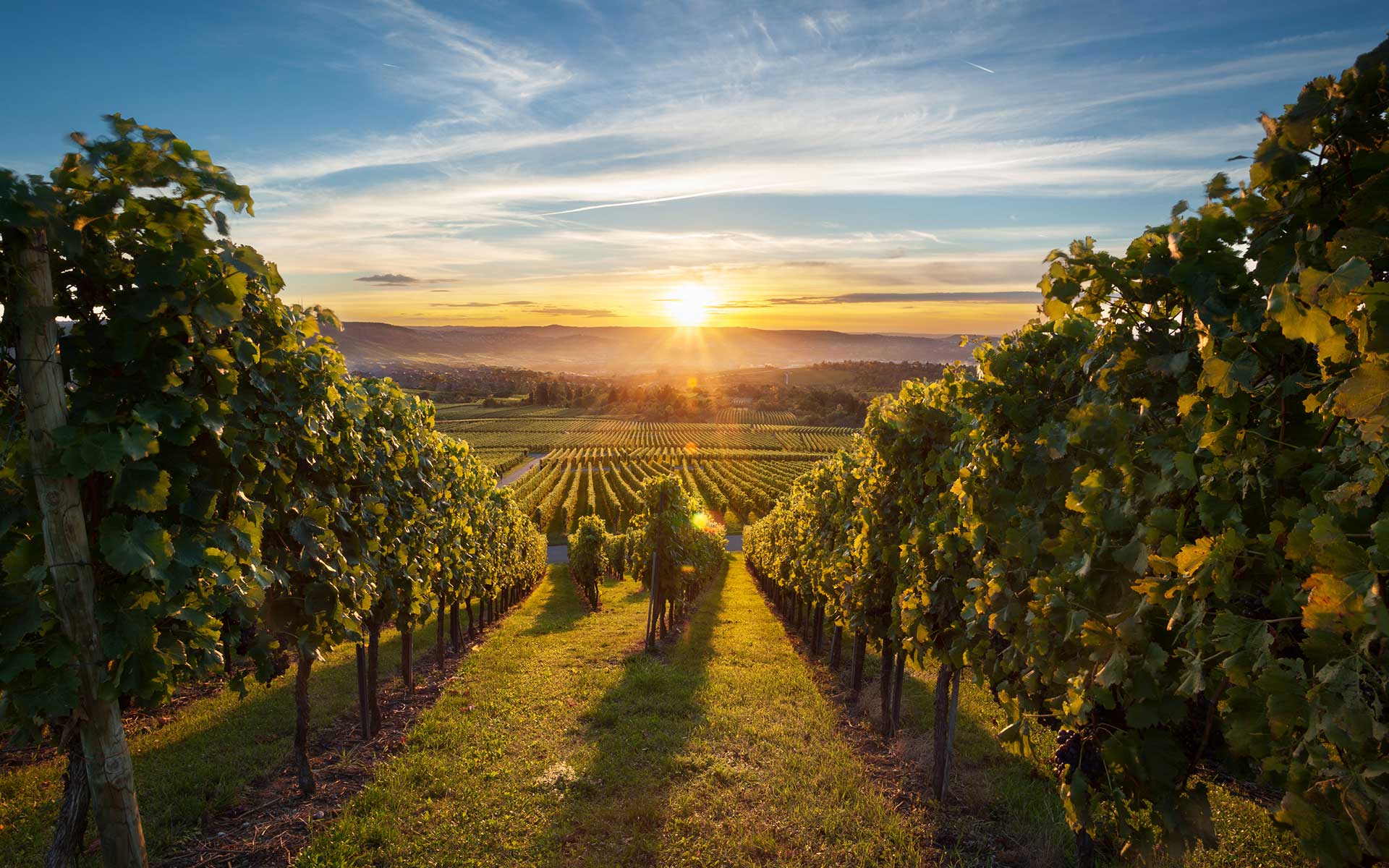
It is characterized by a particularly mild climate and a variety of soils that offer ideal growing conditions for a wide range of grape varieties. As everywhere else in Germany, viticulture dates back to the Romans, who brought the first vines to the region around the turn of the millennium.
Today, the Palatinate is one of Germany's most dynamic wine regions. Every third bottle of German wine comes from the Palatinate.
The Palatinate wine-growing region is located in the southwest of the federal state of Rhineland-Palatinate, between the Rhine and the Palatinate Forest. It stretches from Bockenheim in the north to Schweigen-Rechtenbach on the border with Alsace in the south. The vineyards extend from the Rhine Valley up to the slopes of the Haardt.
The Palatinate is Germany's second-largest wine-growing region and the largest Riesling origin in the world!
It is characterized by a particularly mild climate and a variety of soils that offer ideal growing conditions for a wide range of grape varieties. As everywhere else in Germany, viticulture dates back to the Romans, who brought the first vines to the region around the turn of the millennium.
Today, the Palatinate is one of Germany's most dynamic wine regions. Every third bottle of German wine comes from the Palatinate.
THE PALATINATE.
A WINEGROWER'S PARADISE.
THE PALATINATE.
A WINEGROWER'S PARADISE.
THE TUSCANY OF GERMANY
The Palatinate is known as the “Tuscany of Germany” not only because of its almost Mediterranean climate, in which even figs, kiwis, pine trees, cypresses, palm trees, and chestnuts grow. It also rivals the famous Italian region in terms of history, culture, and cuisine.
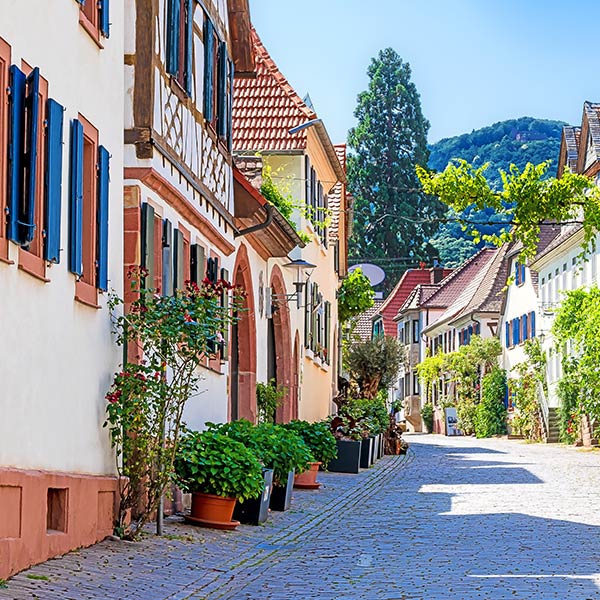
The Palatinate wine villages such as Rhodt, Gleisweiler, St. Martin, Forst, and Freinsheim, with their medieval character and beautifully restored half-timbered houses, are at least as impressive as their counterparts in Tuscany. And with Speyer Cathedral, the masterpiece of Romanesque architecture in Germany, the Palatinate boasts a piece of world heritage that is in no way inferior to the Duomo di Siena.
The Palatinate certainly has no reason to hide when it comes to cuisine. In addition to traditional Palatinate cuisine, which is cultivated to the highest standard in many restaurants in the Palatinate, there is a young and creative gastronomic scene that interprets the culinary heritage of the Palatinate in a modern way and presents it in a hip manner – even more dynamically than is the case in Tuscany!
The Palatinate is known as the “Tuscany of Germany” not only because of its almost Mediterranean climate, in which even figs, kiwis, pine trees, cypresses, palm trees, and chestnuts grow. It also rivals the famous Italian region in terms of history, culture, and cuisine.
The Palatinate wine villages such as Rhodt, Gleisweiler, St. Martin, Forst, and Freinsheim, with their medieval character and beautifully restored half-timbered houses, are at least as impressive as their counterparts in Tuscany. And with Speyer Cathedral, the masterpiece of Romanesque architecture in Germany, the Palatinate boasts a piece of world heritage that is in no way inferior to the Duomo di Siena.
The Palatinate certainly has no reason to hide when it comes to cuisine. In addition to traditional Palatinate cuisine, which is cultivated to the highest standard in many restaurants in the Palatinate, there is a young and creative gastronomic scene that interprets the culinary heritage of the Palatinate in a modern way and presents it in a hip manner – even more dynamically than is the case in Tuscany!
MEDITERRANEAN LIFESTYLE
MEDITERRANEAN LIFESTYLE
The German Wine Route stretches for around 85 kilometers through the entire wine-growing region of the Palatinate. Since 1935, it has connected the most famous wine-growing towns, the most legendary vineyards, the best wine producers, the most interesting sights, and the most charming restaurants, making it the oldest gourmet route in Germany.
It can be explored by car. However, the unique character of this special cultural landscape can be experienced even more intensely on the “German Wine Route” hiking trail, which runs slightly away from traffic.
Between March and October, dozens of wine festivals take place along the German Wine Route that are well worth a visit. The largest are the Dürkheim Sausage Market (in September), the German Wine Harvest Festival in Neustadt (in September and October), and the Federweißer Festival in Landau (in October).
The German Wine Route stretches for around 85 kilometers through the entire wine-growing region of the Palatinate. Since 1935, it has connected the most famous wine-growing towns, the most legendary vineyards, the best wine producers, the most interesting sights, and the most charming restaurants, making it the oldest gourmet route in Germany.
It can be explored by car. However, the unique character of this special cultural landscape can be experienced even more intensely on the “German Wine Route” hiking trail, which runs slightly away from traffic.
Between March and October, dozens of wine festivals take place along the German Wine Route that are well worth a visit. The largest are the Dürkheim Sausage Market (in September), the German Wine Harvest Festival in Neustadt (in September and October), and the Federweißer Festival in Landau (in October).
HOME OF THE
"GERMAN WINE ROUTE"
HOME OF THE
"GERMAN WINE ROUTE"
OUR WINES

WHITE
WHITE
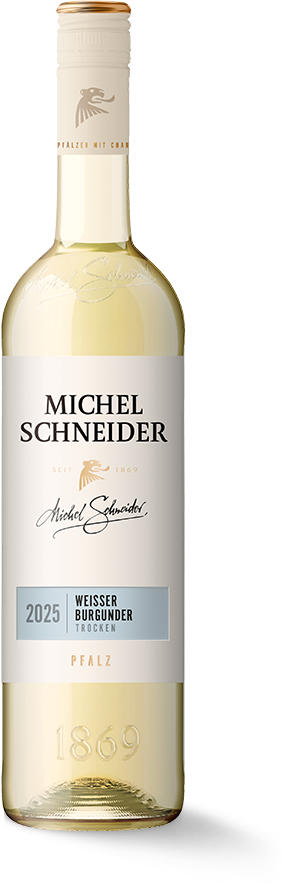
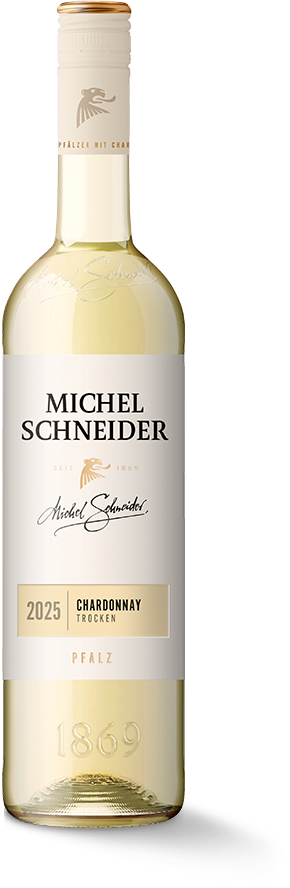
Pale gold-yellow color.
The bouquet unfolds a refreshing aroma reminiscent of peach and apricot.
On the palate, it impresses with elegant fruit and lively freshness, while captivating with its fine creaminess and pronounced complexity.
It is the perfect partner for creamy pasta dishes, poultry, and seafood.
Recommended serving temperature: 8-10 °C
CHARDONNAY
DRY
The bouquet unfolds a refreshing aroma reminiscent of peach and apricot. On the palate, it impresses with elegant fruit and lively freshness, while captivating with its fine creaminess and pronounced complexity.
It is the perfect partner for creamy pasta dishes, poultry, and seafood.
Recommended serving temperature: 8-10 °C
CHARDONNAY
DRY



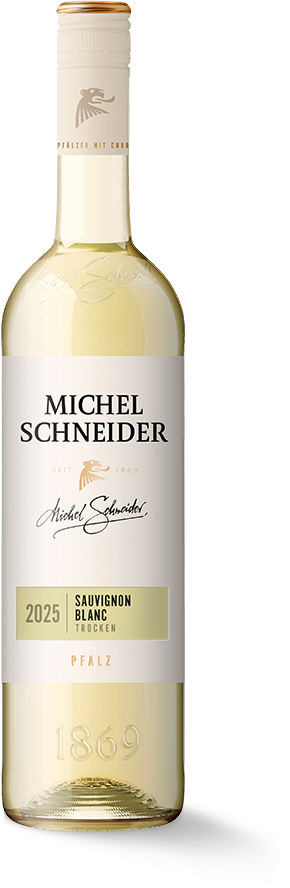
Gold-yellow with greenish reflections.
The aroma is dominated by aromatic notes of green bell pepper and gooseberry.
On the palate, it is juicy and aromatic, with the intense, fruity notes being emphasized by an invigorating freshness.
It is ideal for gratinated goat cheese, seafood, and leaf salads with a fruity-sweet component.
Recommended serving temperature: 8-10 °C
SAUVIGNON BLANC
DRY
The aroma is dominated by aromatic notes of green bell pepper and gooseberry. On the palate, it is juicy and aromatic, with the intense, fruity notes being emphasized by an invigorating freshness.
It is ideal for gratinated goat cheese, seafood, and leaf salads with a fruity-sweet component.
Recommended serving temperature: 8-10 °C
SAUVIGNON BLANC
DRY
Bright yellow with golden reflections.
It offers a fresh and promising aroma with fine notes of ripe pear and citrus fruits.
On the palate, it shows a well-structured and pleasant acidity, which is supported by the pronounced fruit notes. It is a very elegant and fresh wine with a certain lightness.
This Pinot Blanc is an ideal companion to asparagus, fish dishes, or white meat.
Recommended serving temperature: 8-10 °C
WEISSBURGUNDER
(Pinot Blanc) DRY
It offers a fresh and promising aroma with fine notes of ripe pear and citrus fruits. On the palate, it shows a well-structured and pleasant acidity, which is supported by the pronounced fruit notes. It is a very elegant and fresh wine with a certain lightness.
This Pinot Blanc is an ideal companion to asparagus, fish dishes, or white meat.
Recommended serving temperature: 8-10 °C
WEISSBURGUNDER
(Pinot Blanc) DRY
Pale yellow with golden reflections.
The aroma is reminiscent of green apples and pears.
On the palate, it presents itself as fruity, soft, and round. The elegantly integrated acidity ensures a refreshing, harmonious finish.
It pairs well with light appetizers, asparagus dishes, and quiche.
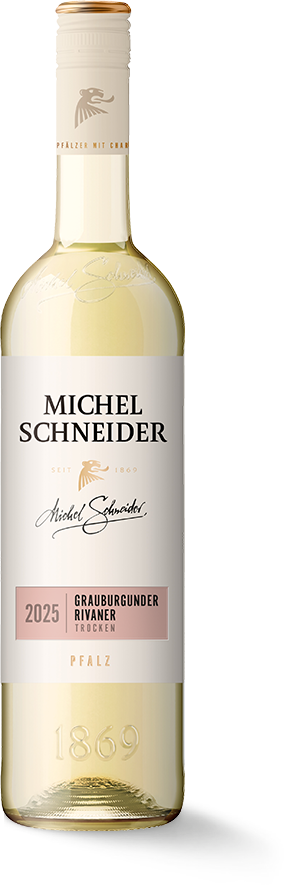
Recommended serving temperature: 8-10 °C
GRAUBURGUNDER
(Pinot Gris) RIVANER
DRY
The aroma is reminiscent of green apples and pears. On the palate, it presents itself as fruity, soft, and round. The elegantly integrated acidity ensures a refreshing, harmonious finish.
It pairs well with light appetizers, asparagus dishes, and quiche.
Recommended serving temperature: 8-10 °C
GRAUBURGUNDER RIVANER
(Pinot Gris) DRY
Clear, pale yellow color with greenish reflections.
The aroma is dominated by notes of citrus fruits and ripe peach.
On the palate, this Riesling convinces with its pleasant, lively acidity, which underscores its zesty nature. The fruity notes are carried by a subtle spiciness - it is very expressive and elegant at the same time.
It is an excellent companion to light fish dishes, seafood, and pasta with a creamy, lemony sauce.
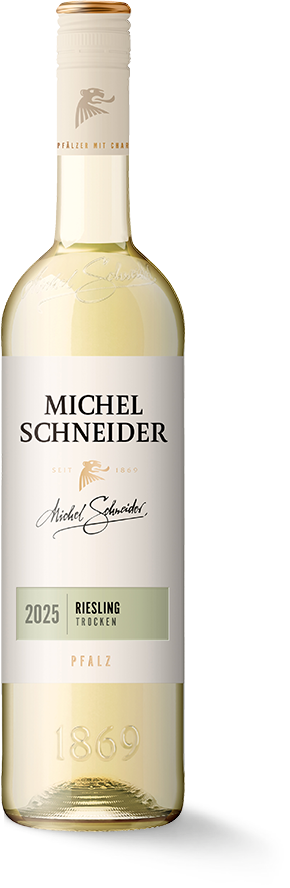
Recommended serving temperature: 8-10 °C
RIESLING
DRY
The aroma is dominated by notes of citrus fruits and ripe peach. On the palate, this Riesling convinces with its pleasant, lively acidity, which underscores its zesty nature. The fruity notes are carried by a subtle spiciness - it is very expressive and elegant at the same time.
It is an excellent companion to light fish dishes, seafood, and pasta with a creamy, lemony sauce.
Recommended serving temperature: 8-10 °C
RIESLING
DRY
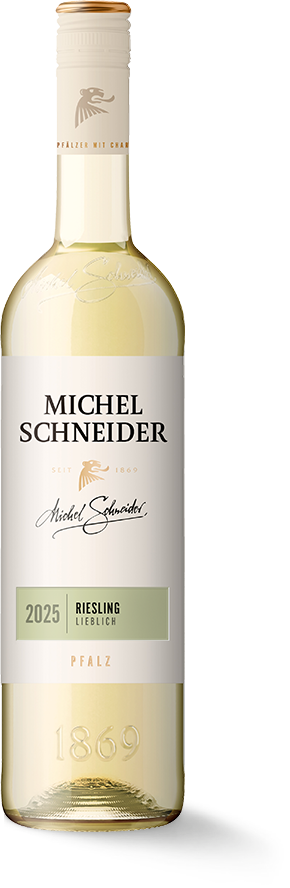
Bright yellow with greenish reflections.
It has an aromatic scent reminiscent of apricot and ripe apple.
On the palate, it is very well-balanced with a pleasant sweetness, which makes it full-bodied and harmonious. The fruity-fresh notes in combination with a reserved acid structure make this Riesling wonderfully lively.
It harmonizes beautifully with spicy, Asian dishes as well as desserts with a fruity-sweet component.
Recommended serving temperature: 8-10 °C
RIESLING
medium-sweet
It has an aromatic scent reminiscent of apricot and ripe apple. On the palate, it is very well-balanced with a pleasant sweetness, which makes it full-bodied and harmonious. The fruity-fresh notes in combination with a reserved acid structure make this Riesling wonderfully lively.
It harmonizes beautifully with spicy, Asian dishes as well as desserts with a fruity-sweet component.
Recommended serving temperature: 8-10 °C
RIESLING
medium-sweet
Pale yellow with golden reflections.
It impresses with a fruity-floral bouquet of peach, citrus fruits, and rose petals.
On the palate, it is pleasantly sweet, harmonious, and full of character. The pronounced fruit notes are underpinned by a certain spiciness.
It pairs excellently with spicy, Asian dishes as well as fruity desserts.
Recommended serving temperature: 8-10 °C
RIESLING
GEWÜRZTRAMINER
DRY
It impresses with a fruity-floral bouquet of peach, citrus fruits, and rose petals. On the palate, it is pleasantly sweet, harmonious, and full of character. The pronounced fruit notes are underpinned by a certain spiciness.
It pairs excellently with spicy, Asian dishes as well as fruity desserts.
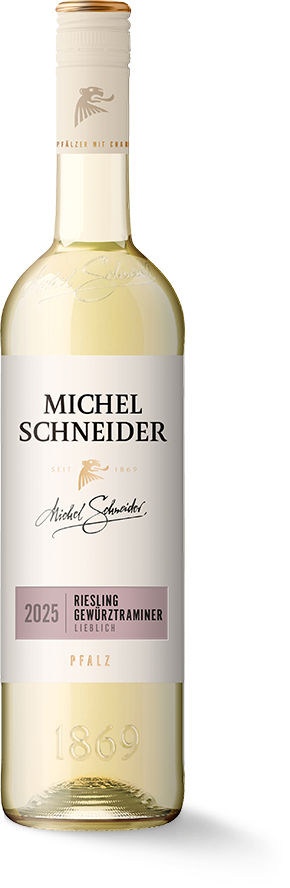
Recommended serving temperature: 8-10 °C
RIESLING
GEWÜRZTRAMINER
DRY

Rosé & Red
Rosé & Red
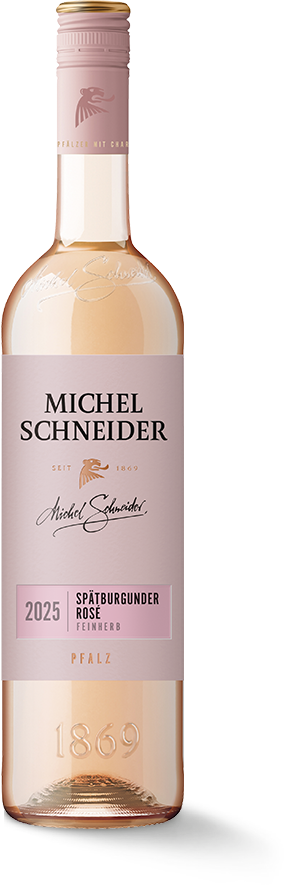
Bright salmon-pink color.
Fruity notes of ripe strawberries dominate the bouquet.
On the palate, it shows a fine acidity accompanied by a harmonious sweetness, which gives it an elegant and round taste.
It pairs equally well with a light leaf salad with a fruity component, a salmon tartare, or a refreshing strawberry sorbet.
Recommended serving temperature: 8-10 °C
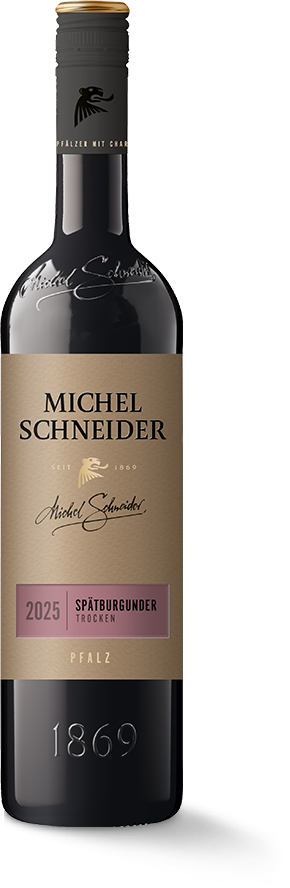
SPÄTBURGUNDER ROSÉ
(Pinot Noir) semi-dry
Fruity notes of ripe strawberries dominate the bouquet. On the palate, it shows a fine acidity accompanied by a harmonious sweetness, which gives it an elegant and round taste.
It pairs equally well with a light leaf salad with a fruity component, a salmon tartare, or a refreshing strawberry sorbet.
Recommended serving temperature: 8-10 °C
SPÄTBURGUNDER
(Pinot Noir) semi-dry
Ruby red color.
The bouquet reveals a fine fruit and a slightly smoky note.
On the palate, it is characterized by a fruity-complex character and velvety tannins, which lead to a long, harmonious finish, making it very elegant and complex at the same time.
It is an ideal companion for game dishes, duck, and grilled vegetables.
Recommended drinking temperature: 14-16 °C
SPÄTBURGUNDER
(Pinot Noir) dry
The bouquet reveals a fine fruit and a slightly smoky note. On the palate, it is characterized by a fruity-complex character and velvety tannins, which lead to a long, harmonious finish, making it very elegant and complex at the same time.
It is an ideal companion for game dishes, duck, and grilled vegetables.
Recommended drinking temperature: 14-16 °C
SPÄTBURGUNDER
(Pinot Noir) dry
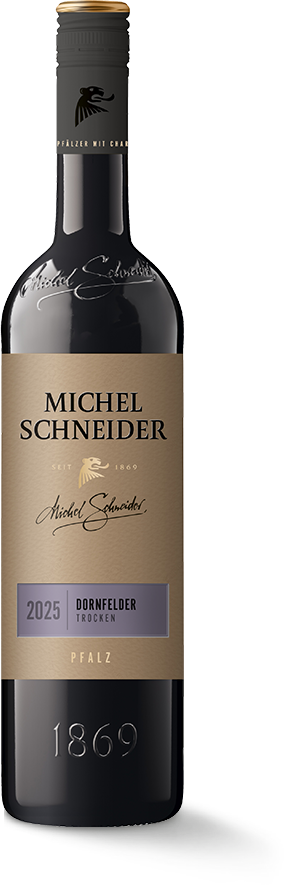
Dark red with violet reflections.
It impresses with berry and spicy notes.
The taste is powerful with a subtle tannin structure. Notes of cherry and dark berries define the taste and are accompanied by a slightly spicy note - a harmonious interplay with a long finish.
It is the perfect companion for meat dishes like roast beef or grilled steak, as well as pizza and truffle pasta.
Recommended drinking temperature: 14-16 °C
DORNFELDER
dry
It impresses with berry and spicy notes. The taste is powerful with a subtle tannin structure. Notes of cherry and dark berries define the taste and are accompanied by a slightly spicy note - a harmonious interplay with a long finish.
It is the perfect companion for meat dishes like roast beef or grilled steak, as well as pizza and truffle pasta.
Recommended drinking temperature: 14-16 °C
DORNFELDER
dry
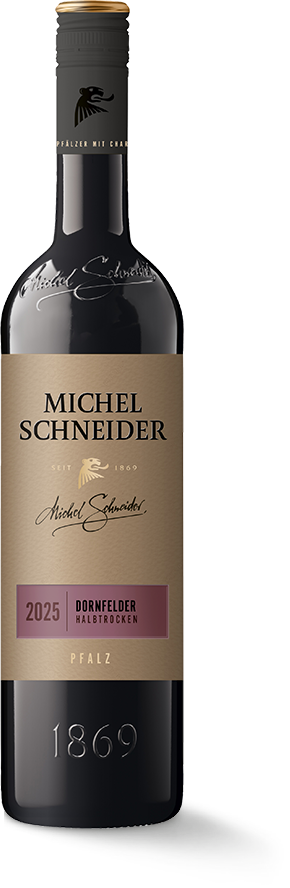
Dark red color with violet reflections.
It is characterized by a fruit-driven aroma with notes of cherry and blackberry.
On the palate, it is soft and harmoniously rounded, with mild tannins and a subtle residual sweetness.
An ideal companion for pasta, pizza, mushroom dishes, or a cold cuts platter.
Recommended drinking temperature: 14-16 °C
DORNFELDER
medium-dry
It is characterized by a fruit-driven aroma with notes of cherry and blackberry. On the palate, it is soft and harmoniously rounded, with mild tannins and a subtle residual sweetness.
An ideal companion for pasta, pizza, mushroom dishes, or a cold cuts platter.
Recommended drinking temperature: 14-16 °C
DORNFELDER
medium-dry
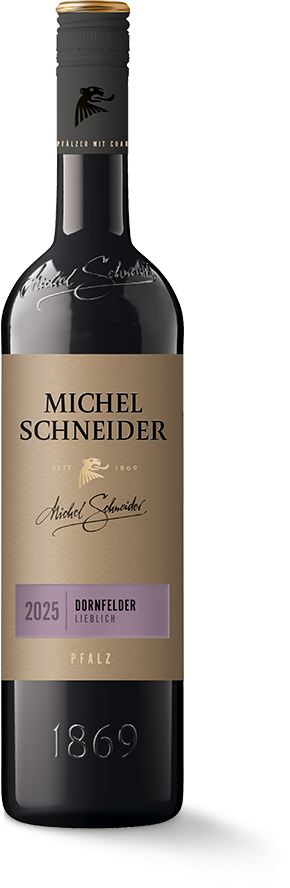
Dark red with violet reflections.
It smells intensely of dark berries, such as blackberry and cassis.
On the palate, it is smooth and full-bodied, rounded off by a pleasant sweetness.
It is an ideal partner for rich stews and strong cheese, as well as chocolate desserts.
Recommended drinking temperature: 14-16 °C
DORNFELDER
sweet
It smells intensely of dark berries, such as blackberry and cassis. On the palate, it is smooth and full-bodied, rounded off by a pleasant sweetness.
It is an ideal partner for rich stews and strong cheese, as well as chocolate desserts.
Recommended drinking temperature: 14-16 °C
DORNFELDER
sweet
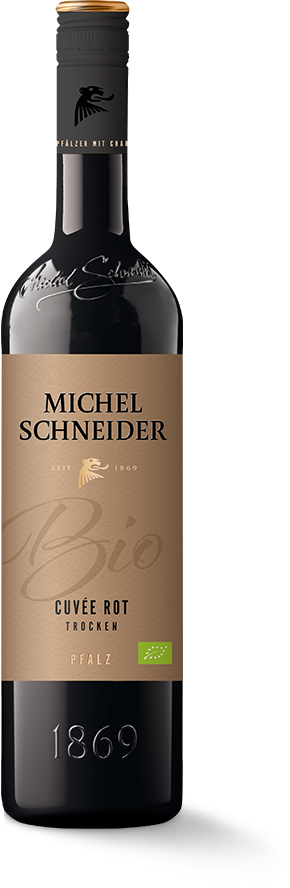
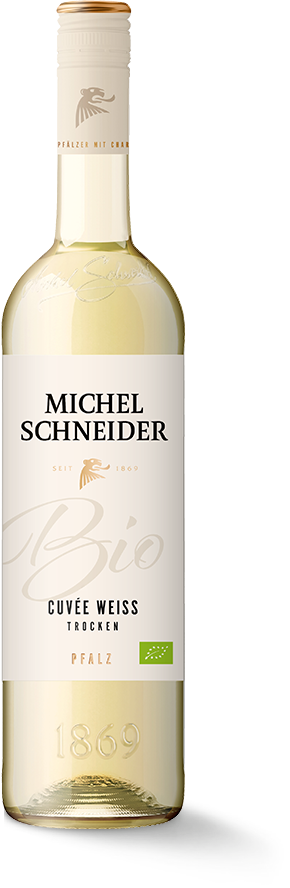
ORGANIC


ALCOHOL FREE
ALCOHOL FREE
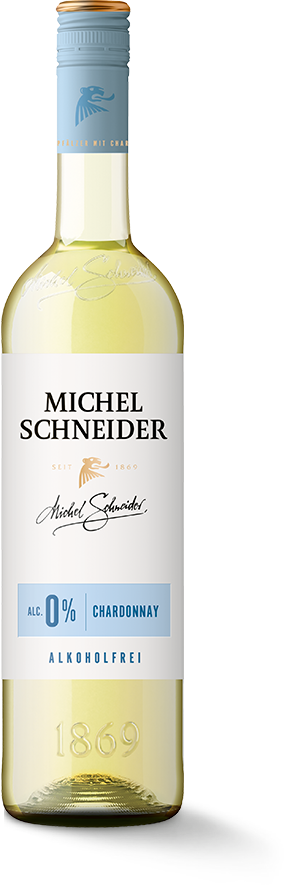
Light yellow with light golden reflections.
The aroma is reminiscent of ripe pears and exotic fruits such as pineapple and papaya.
With its moderate acidity, it is fresh, soft, and harmonious at the same time, providing a pleasantly creamy mouthfeel.
It pairs perfectly with light tarte flambée with goat cheese and pears, a vegetarian quiche, or mild soft cheese.
Recommended serving temperature: 8-10 °C
Alcohol content < 0,5 % vol
CHARDONNAY
ALCOHOL FREE
The aroma is reminiscent of ripe pears and exotic fruits such as pineapple and papaya. With its moderate acidity, it is fresh, soft, and harmonious at the same time, providing a pleasantly creamy mouthfeel.
It pairs perfectly with light tarte flambée with goat cheese and pears, a vegetarian quiche, or mild soft cheese.
Recommended serving temperature: 8-10 °C
Alcohol content < 0,5 % vol
CHARDONNAY
ALCOHOL FREE
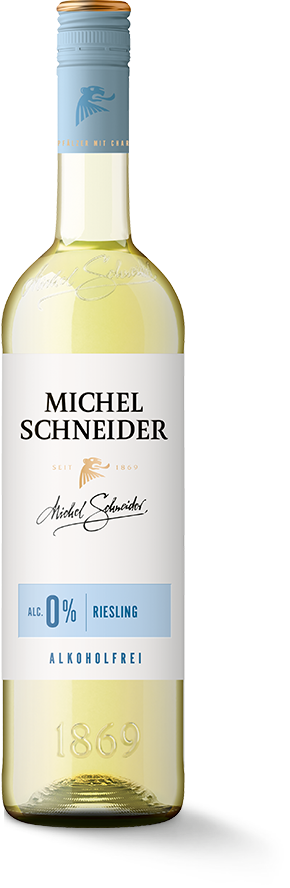
Light yellow with slight green reflections
The aroma is dominated by notes of green apple, citrus fruits, peach, and apricot.
On the palate, it is balanced and lively, supported by a fresh acidity and a fine minerality.
Ideal with light dishes such as salads and fish, as well as Asian cuisine and mild cheeses.
Recommended serving temperature: 8-10 °C
Alcohol content < 0,5 % vol
RIESLING
ALCOHOL FREE
The aroma is dominated by notes of green apple, citrus fruits, peach, and apricot. On the palate, it is balanced and lively, supported by a fresh acidity and a fine minerality. Ideal with light dishes such as salads and fish, as well as Asian cuisine and mild cheeses.
Recommended serving temperature: 8-10 °C
Alcohol content < 0,5 % vol
RIESLING
ALCOHOL FREE
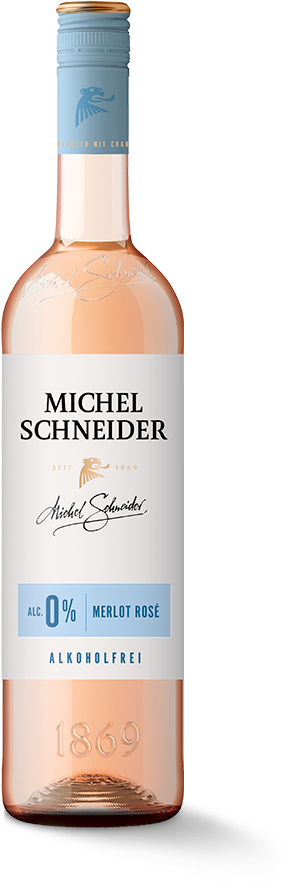
Light salmon pink.
The bouquet is dominated by notes of fresh strawberries and cherries, rounded off by a hint of blackcurrant and subtle floral notes.
Very lively, fruity, and fresh on the palate, it develops a complex aroma.
It pairs particularly well with a fresh strawberry and asparagus salad, light fish dishes, and fruity desserts such as strawberry tiramisu or berry sorbet.
Recommended serving temperature: 8-10 °C
Alcohol content < 0,5 % vol
MERLOT ROSÉ
ALCOHOL FREE
The bouquet is dominated by notes of fresh strawberries and cherries, rounded off by a hint of blackcurrant and subtle floral notes. Very lively, fruity, and fresh on the palate, it develops a complex aroma. It pairs particularly well with a fresh strawberry and asparagus salad, light fish dishes, and fruity desserts such as strawberry tiramisu or berry sorbet.
Recommended serving temperature: 8-10 °C
Alcohol content < 0,5 % vol
MERLOT ROSÉ
ALCOHOL FREE
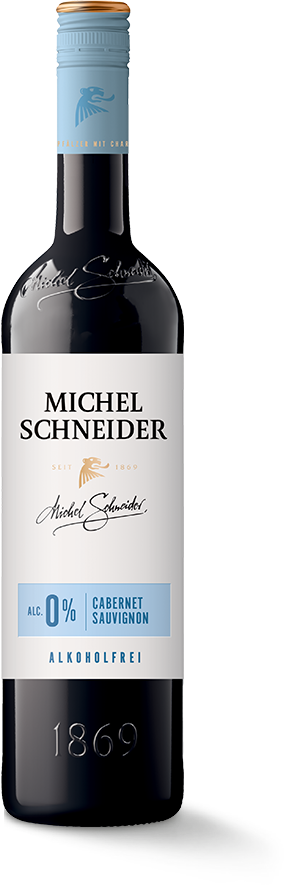
Deep purple red with violet reflections.
The aroma is intense and characterized by dark berries. Notes of blackcurrant and blackberry are evident.
The gentle tannin structure has also been preserved thanks to gentle dealcoholization, which is why the alcohol-free Cabernet Sauvignon leaves nothing to be desired.
It is an excellent accompaniment to a hearty mushroom risotto, grilled Mediterranean vegetables, or a variety of dark meat dishes.
Recommended drinking temperature: 14-16 °C
Alcohol content < 0,5 % vol
CABERNET SAUVIGNON
ALCOHOL FREE
The aroma is intense and characterized by dark berries. Notes of blackcurrant and blackberry are evident. The gentle tannin structure has also been preserved thanks to gentle dealcoholization, which is why the alcohol-free Cabernet Sauvignon leaves nothing to be desired. It is an excellent accompaniment to a hearty mushroom risotto, grilled Mediterranean vegetables, or a variety of dark meat dishes.
Recommended drinking temperature: 14-16 °C
Alcohol content < 0,5 % vol
CABERNET SAUVIGNON
ALCOHOL FREE
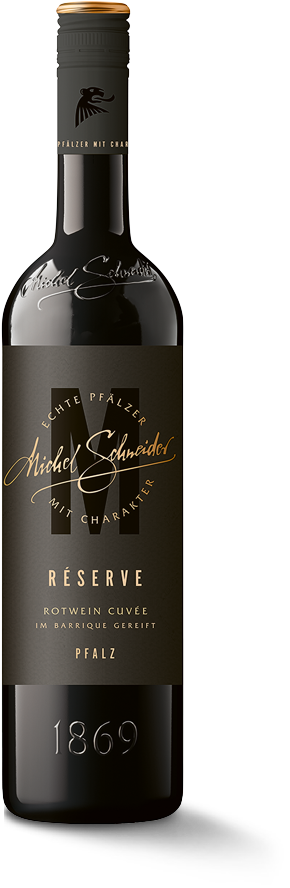
RÉSERVE
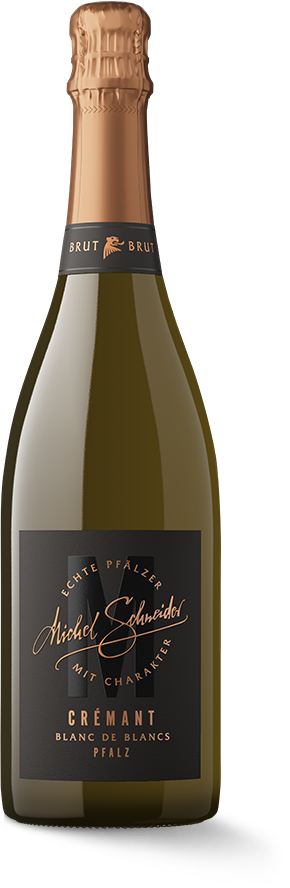
CRÉMANT
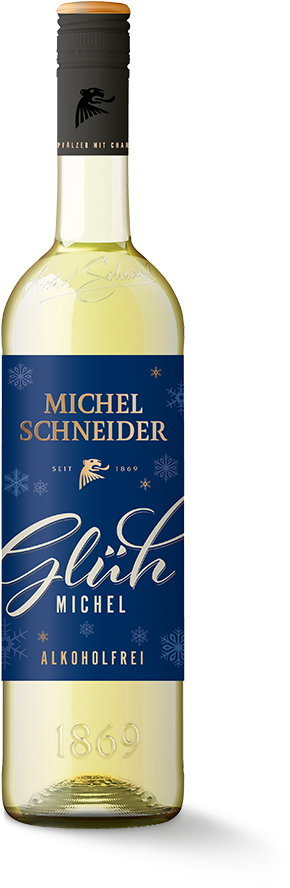
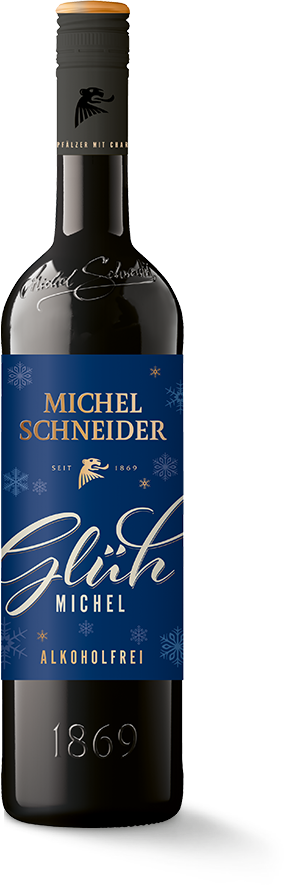
GLÜH MICHEL



Please take care of your health and enjoy alcohol both consciously and in moderation.